10 Cute Pizza Slice Kawaii SVG Cartoon Review for Embroidery Projects
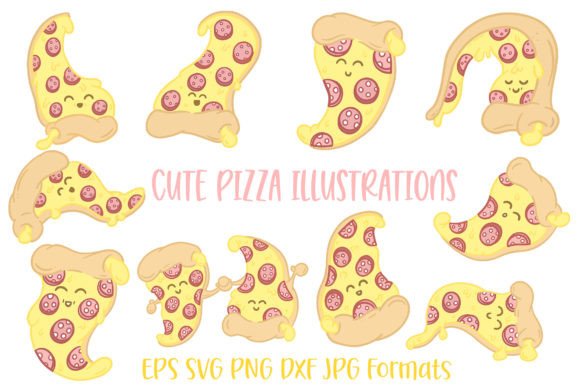
When I first opened the 10 Cute Pizza Slice Kawaii SVG Cartoon design pack, I was immediately drawn in by its playful and charming visual style. These are not your typical pizza slice illustrations; they're stylized with a soft, cartoonish flair that screams "fun" and "wholesome." Each of the 10 designs has a distinct personality—some are bold and colorful, while others are more subtle and whimsical. The overall mood is lighthearted, perfect for projects targeting kids, foodies, or anyone who loves cute kitchen-themed decor.
A Designer’s First Glance at the Files
The package includes both PNG files with transparent backgrounds and JPG files with white backgrounds, which gives flexibility when previewing or presenting the embroidery project to clients. The PNGs are especially useful if you're planning to use these as part of a layered design or if you need to see how the design will sit on different fabric colors without a background.
I appreciate the high resolution (8000px by 8000px), which makes it easy to scale the images down without losing clarity. As an embroidery designer, this helps me visualize how the details will translate from digital to stitched form. However, keep in mind that the file size doesn’t always guarantee smooth stitching performance—especially when translating into embroidery formats like .DST, .PES, or .EXP. You’ll still want to test the final embroidery file before committing to a full production run.
Visual Personality and Project Fit
The Kawaii aesthetic is clearly front and center here. Think big eyes, pastel colors, and exaggerated expressions—like a smiley face on each slice. This kind of design works best where cuteness is a key factor. For example, a custom embroidered sweatshirt for a child or a tote bag for a themed birthday party would benefit greatly from the charm of these designs.
They also lend themselves well to handmade products such as baby clothes, nursery wall art, or even personalized aprons for a bakery-themed gift. The rounded shapes and simplified outlines suggest they’ll stitch cleanly and look great up close. But their appeal isn’t just surface-level—they bring a sense of joy and warmth to any project they’re applied to.
Real-World Stitch Test: Tote Bag and Sweatshirt Embroidery
To get a true feel for the design, I tested one of the slices on a medium-weight cotton tote bag and a stretchy sweatshirt. On the tote, the stitch lines were clear and the design held its shape well. The corners didn't distort, and the overall appearance matched the digital mockup closely. That’s a win for Etsy sellers and small shop product creators who rely on accurate previews.
On the sweatshirt, however, things got a bit trickier. The stretchiness of the fabric caused some slight distortion in the curved parts of the slice, particularly near the crust. This is a common issue with non-stabilized stitches on knit materials. I had to add extra stabilizer underneath to maintain the integrity of the design. So, if you're using these for sweatshirts or other stretchy fabrics, be prepared to adjust your setup accordingly.
Commercial Use Considerations
For commercial embroidery purposes, the design's consistent layout across all 10 options is a big plus. They can easily be integrated into a product line or used as interchangeable assets for seasonal offerings like holiday gifts or themed apparel. If you're running a craft business or creating digital embroidery files for resale, having multiple versions of the same theme is invaluable—it allows for variety without needing to source entirely new designs.
However, since no explicit licensing terms are provided, I recommend double-checking the seller's policies before listing them on marketplaces like Etsy or using them in branding materials. Licensing matters can be tricky in the world of digital product previews, and ensuring you have the right to resell the finished items is crucial for long-term success.
Where to Use It Carefully
- Small hoop sizes: Some of the more detailed slices might require more space than available in smaller hoops. Check dimensions carefully before cutting fabric.
- Textured fabrics: Raised textures like felt or denim can make fine lines appear bumpy or uneven after stitching.
- Thin or stretchy fabrics: Without proper stabilizer, the design could lose its crispness or distort during the sewing process.
- Dark fabric backgrounds: The light-colored elements of the design may not pop as well. Always do a black and white mockup to assess contrast.
- Curved surfaces: Applying these to caps or hats could lead to alignment issues unless you use a specialized tool or take time to adjust the placement.
If you're thinking about using these for embroidered patches or nursery decor, the large file size and clear lines are definitely working in your favor. But for anything involving frequent washing or wear and tear, like baby clothes or aprons, consider reinforcing the design with interfacing or using durable thread types to prevent fraying or loosening over time.
Design Performance in Detail
Looking closer at the stitch paths, these are mostly composed of satin stitch and fill stitch areas. There's minimal use of running stitch, which is great because it keeps the design looking solid and clean. The density of the fill areas is moderate, so there's less risk of puckering compared to very dense embroidery. Still, depending on your machine and fabric choice, you may need to tweak the stitch density slightly.
One thing to note is the presence of tiny lettering or intricate details in some of the slices. While these are adorable in concept, they can become problematic in practice. If you're planning to embroider onto something like a tea towel or pillow cover, those delicate features may not hold up as well. I suggest zooming in on the digital files to evaluate how much detail you can realistically expect to show up after stitching.
Customer Reactions and Marketability
In my experience, people love Kawaii-style graphics, especially when they're associated with everyday objects like pizza. When I showed a sample to a group of potential buyers, the feedback was overwhelmingly positive. One customer even said, “This looks like it belongs on a kid’s backpack!” That kind of response is exactly what you want when designing for the handmade or craft fair product market.
These designs don’t scream “professional logo” but they do scream “personalized gift.” Whether it's a holiday embroidery item or a boutique branding piece, the visual appeal is strong enough to make customers pause and engage. That’s a big plus for small shop product listings or custom apparel orders. The charm and simplicity can elevate a basic tote or cap into something memorable and shareable.
Practical Design Notes for Embroidery Success
- Test on scrap fabric first: Especially important for dark or stretchy materials. See how the colors and lines react under different conditions.
- Check thread color contrast: Make sure the chosen colors stand out against your fabric. A warm red cheese on a white shirt is great, but on a black jacket? Not so much.
- Review stitch density: Lower densities work better for thin or stretchy materials. Adjust based on your machine settings and fabric type.
- Confirm hoop size: If your hoop is too tight, the design may warp or misalign. Choose a hoop that comfortably fits the largest dimension of the design.
- Inspect small details: Those little pepperoni dots or cheese swirls may not stitch perfectly every time. Be ready to edit or simplify if needed.
- Use proper stabilizer: Especially for lightweight or stretchy fabrics. A tear-away or wash-away stabilizer can make a huge difference in stitch quality.
- Test in black and white: This helps you understand how the design will look without color—very useful for grayscale embroidery or monochrome collections.
- Compare light and dark fabric backgrounds: Sometimes the same design looks completely different depending on the base color.
- Check commercial compatibility: Before selling the finished product or offering the digital embroidery file for download, ensure you have the right to do so.
Final Thoughts on 10 Cute Pizza Slice Kawaii SVG Cartoon
The 10 Cute Pizza Slice Kawaii SVG Cartoon collection brings a lot of personality and charm to the table. As an experienced embroidery designer, I find these ideal for casual, expressive projects rather than formal or minimalist ones. Their strength lies in their ability to create emotional connections—something that’s increasingly valuable in the handmade and personalized gift markets.
While they won’t suit every project, especially those requiring precision or durability, they can add a delightful touch to many craft business offerings. From tote bag design to baby embroidery, these designs are versatile and visually engaging. Just remember to adapt them to your specific needs and always prioritize testing before mass production.
Overall, this is a fun and thoughtful addition to any design assets library. It’s not just about how it looks—it’s about how it feels. And in today’s creative economy, feeling matters as much as function.