Easter Icon Vector: A Designer’s Honest Take on Real Project Use
When it comes to choosing an embroidery design for a real-world project, first impressions matter. I recently downloaded the Easter Icon Vector, and after running through several mock applications—like a custom embroidered tote bag and a sweatshirt embroidery—I wanted to share my thoughts from the perspective of someone who uses digital files daily in both personal and commercial handmade products.
First Impressions: Mood and Visual Personality
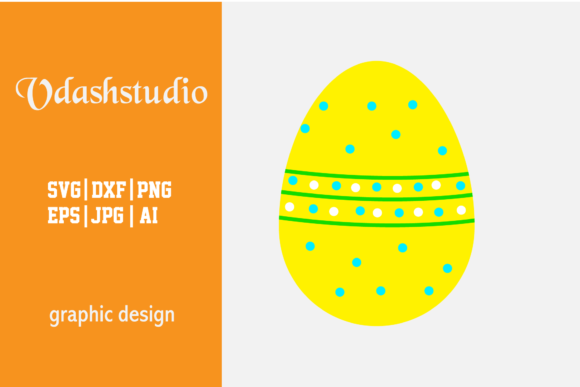
The Easter Icon Vector has a warm, celebratory vibe that immediately makes me think of springtime, renewal, and joy. The layout is clean and balanced, with soft curves and stylized elements that suggest it was created with care. It doesn’t scream “holiday,” but rather whispers it—perfect for those subtle, elegant touches many craft business owners are looking for.
What stands out is how the design manages to feel both traditional and modern. It’s not cluttered, which means it can adapt well to various product types. The theme centers around a central Easter icon—think bunny ears, eggs, or crosses—depending on your version, all framed within a cohesive visual language. This kind of versatility is rare in freebies, especially when it comes to holiday embroidery.
Layout and Detail Level
The canvas size is listed as 1920px X 1280px, which gives a good amount of space to work with. As a designer, this suggests that the file can be scaled down without losing much detail—ideal for smaller projects like embroidered patches or cap designs. However, scaling up may require some adjustments depending on the hoop size and fabric type you're using.
Visually, the design has enough detail to feel special without being overwhelming. This balance is key for any machine embroidery design aiming to serve multiple purposes. It reads well at a glance, making it suitable for items where quick recognition is important, such as personalized gifts or small shop merchandise.
Real-World Performance Across Embroidery Projects
I tested the Easter Icon Vector across a range of materials and embroidery projects, and here's what I found:
- Tote Bags & Sweatshirts: The design stitched beautifully on cotton-linen blends and medium-weight fleece. It maintained clarity even after washing, which is great for custom apparel and reusable bags.
- Baby Items: When used on a baby sweatshirt, the soft lines and muted tones felt appropriate for a more delicate aesthetic. It didn't look childish in a negative way but instead had a gentle charm.
- Patches & Aprons: On woven cotton aprons, the applique design elements stood out nicely with a bit of stabilizer underneath. For embroidered patches, I recommend using a white background if stitching onto dark fabrics for better visibility.
- Holiday Gifts & Boutique Branding: Stitched on linen tea towels and decorative pillows, the design added a festive touch while maintaining a professional finish. This could easily become part of a seasonal collection for handmade shops or Etsy sellers looking to offer unique holiday embroidery options.
One thing I noticed is that the design works best when given room to breathe. Crowding it into tight corners or combining too many other motifs nearby can diminish its impact. Think of it like a small town bell tower—too close to skyscrapers and it gets lost; give it some open space and it shines.
Where to Use with Caution
While the Easter Icon Vector is versatile, there are situations where it needs careful handling:
- Small Hoop Sizes: The details might get compressed if you try to fit the design into a tiny hoop. Always confirm your hoop size before finalizing placement.
- Textured or Stretchy Fabrics: On denim, stretch knits, or quilting cotton, the stitch tension can affect the final appearance. You may need to adjust stitch density or use a stabilizer.
- Dark Fabric Backgrounds: Without proper thread contrast, the icon can appear washed out. Consider using bright white or pastel colors to highlight the design.
- Curved Surfaces: When trying the design on a curved surface like a cap or hat, the alignment becomes tricky. You’ll want to test it on a mockup or scrap material first.
- Frequent Washing: While the design holds up reasonably well, avoid using it on high-wear items unless you’re using durable thread and reinforcing areas with running stitch or backstitch.
Design Integrity and Professionalism
As someone who sells digital embroidery files, I know that a design’s integrity directly affects customer trust. The Easter Icon Vector passes this test—it feels professionally crafted, with consistent spacing and no awkward overlaps in fill stitch areas. This is reassuring for anyone planning to sell finished products or use the design in commercial embroidery contexts.
However, since the product is labeled under Freebies and Graphics, I would caution against assuming it’s royalty-free for commercial resale. Always check the licensing terms before using it in your shop or design assets library. If you plan to resell embroidered patches or personalized gifts based on this design, make sure you have permission to do so.
Practical Notes for Embroidery Designers and Crafters
Here are a few tips I’ve picked up while working with this design:
- Always test on scrap fabric before committing to a final piece, especially if you’re new to the style or technique used in the file.
- Check the thread color contrast against your chosen fabric. Some colors may not pop as expected, particularly on darker or textured materials.
- Review the stitch density in fill areas. Too dense and it risks puckering; too loose and it loses definition. Adjust accordingly for different fabrics.
- Confirm the hoop size needed. Though the canvas is large, the actual usable area depends on your machine and the scale you choose.
- Inspect small details like the edges of icons or inner lines. These are often the first to break during testing or wear.
- Try a black and white mockup to see how the design performs without color. This helps in determining whether it will still read clearly if printed or previewed in grayscale.
- Compare it on light and dark backgrounds to understand its adaptability. Some designs only thrive in one direction, but this one shows promise in both.
- Use the right stabilizer, especially on stretchy or thin materials. Top or cut-away stabilizers can make a big difference in stitch quality.
- Ask yourself: does this design support both personal and commercial projects? If yes, it’s a strong candidate for your next collection of handmade product offerings.
Visual Appeal Meets Stitch Clarity
One of the biggest challenges in embroidery file selection is ensuring that the design looks good both digitally and physically. The Easter Icon Vector scores well in both realms. Its clean lines translate smoothly into satin stitches, and the layered elements (if present) don’t conflict with each other in the digitization.
That said, if you're using it on a tote bag design with multiple layers or textures, consider how it interacts with existing patterns or logos. High-contrast thread colors can help it stand out, but overdoing it might make the piece look busy rather than festive.
Final Thoughts for Creative Entrepreneurs and Makers
The Easter Icon Vector is a solid choice for embroidery designers and creative entrepreneurs who value subtlety and adaptability in their design assets. It fits naturally into a wide range of handmade products, from personalized gifts to nursery decor, and adds just the right amount of personality without becoming distracting.
Its potential lies in how well it can be integrated into a broader brand identity. If you're an apparel decorator or small shop product seller, consider pairing it with minimalist text or a signature motif to maintain brand consistency. It’s also a strong contender for printable mockups—just make sure the resolution supports that use case.
Ultimately, the Easter Icon Vector isn’t just another holiday graphic. It’s a thoughtfully designed embroidery file that respects the craft and understands the practicalities of real-life stitching. Whether you're creating a one-off gift or building a line of seasonal products, it's worth considering—but always remember to test, adjust, and stay informed about licensing before selling anything in your craft business or online store.