26 Cactus Succulent Line Art Logo Design: A Creative Asset for Modern Illustrations and Graphics
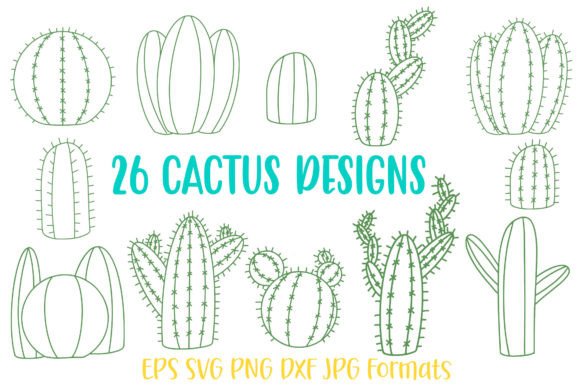
As a graphic designer with years of experience working on branding, packaging, and digital assets for real-world client projects, I always approach new design bundles with a critical eye. When I first laid hands on 26 Cactus Succulent Line Art Logo Design, I was immediately drawn to its whimsical charm and clean linework. This collection offers a refreshing take on botanical motifs, blending modern minimalism with a touch of desert-inspired personality. It’s not just clipart or stock illustrations—it’s a versatile set of graphics that can elevate the visual language of a project when used thoughtfully.
A Natural Fit for Handmade Businesses and Seasonal Campaigns
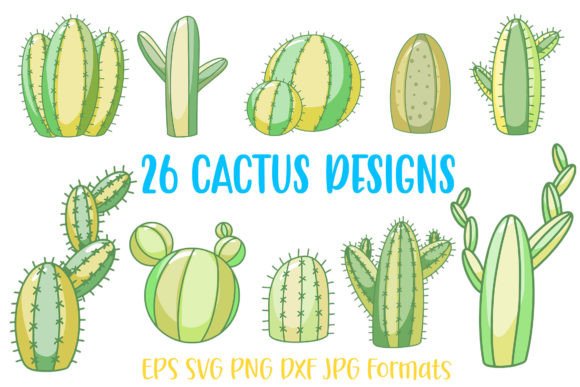
The 26 designs in this bundle range from simple silhouettes to slightly more detailed cacti and succulents, all rendered in line art style. They exude a sense of calm and organic simplicity, which makes them ideal for handmade businesses, wellness brands, or any company looking to infuse a bit of nature into their visuals. For example, imagine using these illustrations for an autumnal themed product launch—Halloween is mentioned as one of the suggested uses, and it makes sense. The subtle shapes can be stylized to fit spooky vibes without overpowering the design.
I see these logos working particularly well in brand identity systems where the client wants to avoid overly literal imagery but still maintain a strong thematic connection to plants, sustainability, or natural aesthetics. They’re also great for Etsy shops selling plant-based products, stickers, or Halloween-themed merchandise. The line art format allows for easy customization and integration with other design elements.
Performance Across Different Design Applications
Let’s break down how 26 Cactus Succulent Line Art Logo Design performs in various design scenarios:
- Logo Design: These are not standalone logos per se, but they can serve as logo components or supporting symbols. Their consistent line weight and shape make them suitable for lockups with custom typography.
- Brand Identity: The collection could be used as part of a larger visual system—think icons, badges, or watermarks. Especially if your client is targeting a niche market like plant lovers or eco-conscious consumers.
- Product Labels and Packaging Design: In packaging mockups, the line art helps create a cohesive look without overwhelming text or product photography. However, you’ll want to ensure there's enough contrast between the illustration and the background color or texture.
- Sticker Design and Merchandise: The PNG files included are perfect for quick drop onto sticker templates or t-shirt layouts. The transparency works well here, allowing for seamless layering over different materials.
- Social Media Graphics: Whether for Instagram posts, Pinterest pins, or Facebook ads, these graphics bring a decorative yet legible element. They’re especially effective when paired with bold sans-serif fonts for a modern, clean layout.
- Editorial and Web Design: Use them as decorative accents in blog headers, newsletter templates, or even landing page hero sections. Just be mindful of placement so they don’t interfere with readability.
Design Considerations for Real-World Use
While the asset feels polished and ready-to-use, there are several practical checks every professional should perform before deploying it in a client project:
- Test in Black and White: Since many print-on-demand platforms use grayscale printing, it’s important to verify how the line art holds up without color. Fortunately, the outlines remain crisp and recognizable, making them suitable for monochrome applications.
- Contrast Check: Preview each illustration against both light and dark backgrounds. Some may need additional shading or outlines to stand out effectively, especially in digital marketing visuals or sublimation designs.
- Scale Variance: Place the SVG or PNG files at small sizes (like app icons or social media avatars) and large formats (such as posters or wall art). The line art remains sharp in vector format, but some details might get lost in smaller PNG versions.
- Mockup Testing: Try overlaying the graphics on real product mockups—tote bags, mugs, or phone cases. You’ll quickly see if they integrate well or require tweaking for balance and impact.
- Print Quality Assurance: If your client plans to use these in physical products, test print quality at 300dpi. While the PNG files are high-resolution, EPS and DXF formats are better suited for precise printing jobs.
- File Format Review: The inclusion of multiple file types—SVG, PNG, EPS, DXF, and JPG—is a big plus. SVG and EPS allow for full scalability and editing, while PNG files offer transparent backgrounds for quick drag-and-drop in Canva templates or Photoshop comps.
Visual Hierarchy and Brand Consistency
One thing I appreciate about this design asset is how it respects visual hierarchy. Because the lines are uncluttered and the forms are familiar, the cactus and succulent illustrations don’t compete with other design elements. Instead, they support and enhance the message. For instance, in a web design context, placing a cactus icon next to a call-to-action button subtly reinforces themes of resilience and strength—depending on the brand voice, of course.
However, if you're working with minimalist branding or corporate materials, these illustrations might feel too playful or informal. That said, for lifestyle brands, creative marketplaces, or local events, they can add just the right amount of warmth and character. Always consider the brand tone and target audience before integrating them into key visuals.
Typography Pairing Suggestions
Since the illustrations are line-based and relatively neutral, they pair well with a wide range of font styles. Here are a few suggestions based on the mood you want to convey:
- Sans Serif Fonts: Clean and contemporary, perfect for tech-savvy or modern botanic brands.
- Script or Handwritten Fonts: Adds a personal, artisanal touch—ideal for boutique labels or greeting card designs.
- Display Fonts: Bold and expressive, great for seasonal campaigns or event promotions with a fun vibe.
- Decorative Serifs: Works well for vintage-style packaging or retro-themed marketing materials.
Just remember that the more ornate the font, the more restraint you'll need in layout to prevent clutter. Keep the overall composition balanced by spacing the illustrations away from dense text areas.
Where This Design Shines and Where It Might Need Help
These illustrations truly come alive in large layout areas. On posters, banners, or printable wall art, they can be scaled up to become the focal point. They also work beautifully as decorative accents in themed collections—say, a “Desert Vibes” product line for a summer campaign or a Halloween-themed sticker set.
But in small sizes or crowded layouts, they can lose their clarity. Details like spines or leaves might blur together, reducing their effectiveness. Similarly, when placed on complex or pattern-heavy backgrounds, they may struggle to stand out. In such cases, simplifying the illustration or increasing stroke weight can help restore visibility.
Emotional Appeal and Audience Engagement
Cactus and succulent motifs have a unique emotional appeal—they’re associated with endurance, uniqueness, and a touch of wildness. These traits can be leveraged in branding to create a sense of authenticity or adventure. As a designer, I love how these line art logos can subtly influence the viewer's perception without being overtly symbolic.
They also encourage audience engagement, especially in content-driven fields like blogging, influencer marketing, or Instagram feeds. Users tend to connect with relatable, visually appealing graphics, and these cactus illustrations have a playful yet sophisticated edge that invites interaction.
Commercial Use and Licensing
Before finalizing any client project, it’s essential to confirm commercial licensing. This design bundle appears to be intended for commercial use, but always double-check the terms provided by the seller. If you plan to use it in a print-on-demand service or sell it as part of a larger design package, having the right license ensures your project stays compliant.
For digital sellers and crafters, the variety of file formats is a major benefit. SVG and EPS allow for full customization in Adobe Illustrator or Cricut Design Space, while PNGs are convenient for quick edits in tools like Canva. The JPG and DXF options also cater to those who prefer raster-based workflows or laser-cutting applications.
Final Thoughts for Design Professionals
In summary, 26 Cactus Succulent Line Art Logo Design is a solid addition to any designer’s toolkit, especially for projects needing a touch of nature without the heaviness of photorealistic graphics. Its adaptability across file formats and contexts makes it valuable for both digital and print deliverables. However, like any asset, it requires thoughtful application to match the visual needs of the project and the expectations of the brand owner.
If you're designing for a small business, an online shop, or a seasonal campaign, this collection can help streamline your workflow while adding a curated, professional look to your outputs. Just keep in mind the importance of contrast, scale, and context when integrating it into your creative designs.