Easter Egg Colorful Illustration: A Designer’s Real-World Take
As a designer and embroidery product reviewer with years of experience in crafting custom pieces for clients, I always approach new digital embroidery designs with a critical eye. Easter Egg Colorful Illustration caught my attention as a Freebies Graphics offering, promising versatility across formats like AI, EPS, SVG, DXF, JPG, and PNG. But how does it translate from the screen to the finished product? Let’s dive into what this design can bring to your embroidery project—and where it might need careful handling.
A Vibrant First Impression
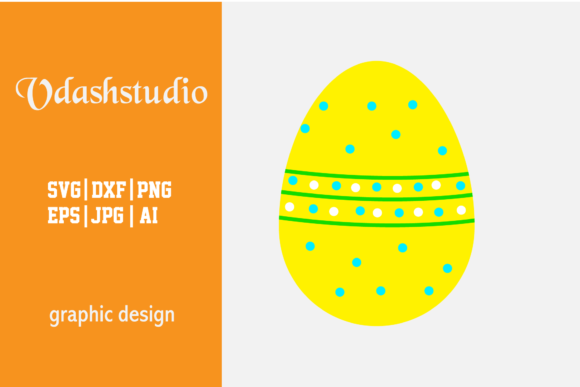
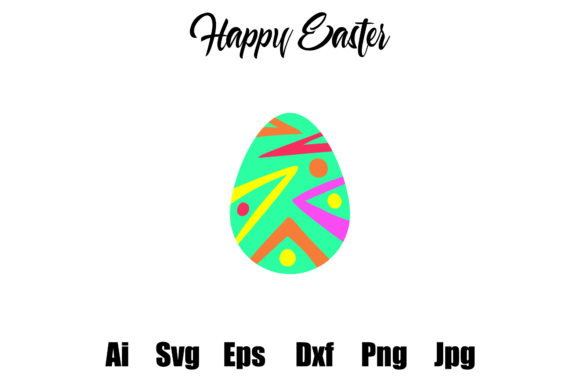
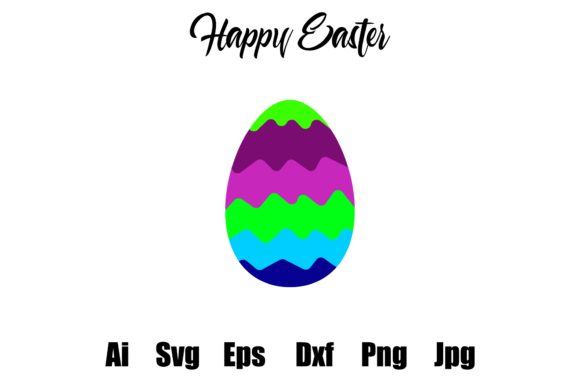
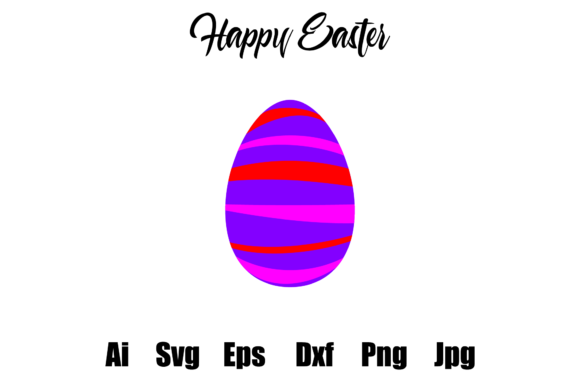
The first thing that stands out about Easter Egg Colorful Illustration is its cheerful and playful mood. It features a stylized arrangement of pastel-hued eggs with intricate details—some have floral patterns, others are dotted or striped, while some show subtle shading or texture. The overall layout is balanced, with no overwhelming focal points but enough visual interest to make the piece stand out.
Visually, the design feels festive without being too childish, which makes it suitable for a range of audiences—from kids’ apparel to holiday-themed home décor. The soft color palette works well for springtime projects, and the shapes suggest it could be used as a standalone motif or part of a larger composition. As an embroidery file, it appears to be structured with clear layers, which hints at good stitchability when handled properly.
What Kind of Project Does This Belong To?
I immediately thought of using this design on a custom embroidered sweatshirt for a boutique line. The size and detail level seem ideal for something like a tote bag design or a pillow cover. It could also work beautifully as a decorative accent on a baby item or as part of a set of holiday gifts. In short, this is a design that brings joy and creativity to any handmade product.
Real-Life Performance Across Embroidery Projects
Let’s break down how Easter Egg Colorful Illustration performs in different real-life scenarios:
- Custom Apparel: On a cotton sweatshirt, the design stitches cleanly with minimal distortion. The use of satin stitch outlines helps maintain shape and definition, especially around the edges of the eggs.
- Baby Clothes: The pastel tones and gentle lines would look lovely on a onesie or sleeper. However, because of the detailed elements, I’d recommend testing it on a small area before committing to multiple garments.
- Tote Bag Design: This is one of the best fits. The canvas-like surface of a tote allows for stable stitching, and the design’s scale fits well within a medium hoop without feeling cramped.
- Embroidered Patch: If you’re making a patch for a cap or hat, the design’s complexity might be reduced due to space constraints. You may want to simplify the fill areas or reduce the number of eggs to keep the stitch count manageable.
- Home Décor (Pillow Covers, Tea Towels): The design adds a pop of color and whimsy to kitchen textiles or nursery decor. For tea towels, consider using a lightweight stabilizer to avoid puckering after washing.
- Commercial Embroidery: While the design looks great for small batch runs or personalized items, frequent commercial use will require checking thread color availability and consistency, as well as ensuring fabric compatibility across different materials.
Overall, the design has a strong visual personality that can elevate both personal and professional embroidery projects. Its adaptability makes it a valuable asset for Etsy sellers and craft businesses looking to add seasonal flair to their offerings.
Where to Use This Design With Caution
While Easter Egg Colorful Illustration is versatile, there are situations where it may not perform as expected:
- Small Hoop Sizes: The eggs are fairly large, so if you're working with a hoop smaller than 4x6 inches, you’ll likely need to resize and simplify the design to avoid overcrowding.
- Textured or Stretchy Fabrics: Stitching on denim, corduroy, or knits may lead to uneven results unless proper stabilizers are used and tension is adjusted accordingly.
- Thin or Delicate Fabrics: Due to the density of some fill areas, this design may cause puckering or tearing on sheer or lightweight materials like rayon or silk.
- Dark Fabric Backgrounds: The pastel colors lose some vibrancy on dark bases. Consider adjusting thread shades or using metallic accents to enhance visibility.
- Curved Surfaces (Hats, Caps): The layout is flat and meant for straight embroidery fields. Placing it on a curved surface without resizing or repositioning could result in misalignment.
- Frequent Washing (Kitchen Towels, Aprons): The fill stitches should hold up well if the right stabilizer is used, but always test on scrap fabric first to ensure durability.
Visual Appeal and Practical Impact
This illustration has a warm, inviting feel that aligns perfectly with Easter and springtime themes. When stitched, it retains much of its digital charm, thanks to clean vector paths and thoughtful layer separation. The use of running stitch in some parts gives it a hand-drawn, almost watercolor effect that enhances its aesthetic appeal.
For handmade products, this design can significantly boost perceived value. Customers appreciate the effort put into detailed embroidery, especially when it’s applied to personalized gifts or high-quality items like sweaters or aprons. From a branding perspective, it’s a safe bet for small shop product lines that aim to evoke warmth and creativity.
In terms of giftability, the design works well as a standalone feature or paired with text like “Happy Easter” or “Spring Blessings.” Its recognizable theme ensures instant recognition and emotional connection, which is key for holiday items.
Designer Notes: What to Keep in Mind
Here are some practical tips for integrating Easter Egg Colorful Illustration into your embroidery workflow:
- Test on Scrap Fabric First: Always try the design on a sample before moving to final products, especially if you plan to resize it or change thread colors.
- Check Thread Color Contrast: Some of the eggs blend together in certain color combinations. Make sure the hues you choose provide enough contrast against the base fabric.
- Review Stitch Density: The fill areas are moderately dense. On stretchy or delicate fabrics, reducing density slightly can prevent damage and improve washability.
- Confirm Hoop Size: The original canvas size is 1920px X 1280px, but actual dimensions depend on scale. Be sure to adjust based on your hoop and fabric setup.
- Inspect Small Details: The design includes tiny elements that may get lost if scaled too small. These could be important for maintaining the visual balance.
- Use Proper Stabilizer: Especially for stretchy or thin fabrics, a cutaway or tear-away stabilizer is recommended to support the structure during and after stitching.
- Test in Black and White: This helps assess how the design will appear if printed in grayscale or used in a monochrome version later on.
- Compare Light and Dark Backgrounds: The design's colors behave differently depending on the fabric tone. Always evaluate on your intended background before mass production.
- Licensing Check: Since this is a Freebies category item, confirm whether it allows for commercial use or resale of the finished product. This is essential for craft business owners and Etsy sellers.
Final Thoughts from a Designer’s Perspective
Easter Egg Colorful Illustration is a solid addition to your design assets library. It’s easy to edit, comes in multiple file types, and offers flexibility for both digital and physical applications. Whether you're creating a sweatshirt embroidery or a printable mockup for your online store, this design brings a touch of springtime cheer that resonates well with customers.
That said, don’t underestimate the importance of adapting it to suit your specific needs. Every fabric, machine, and customer expectation is different. By testing, adjusting, and staying mindful of limitations, you can turn this graphics-based design into a standout feature of your next embroidery project.
So go ahead, give it a try—but remember, the best embroidery isn’t just about having the right file; it’s about knowing how to make it work for your finished product.