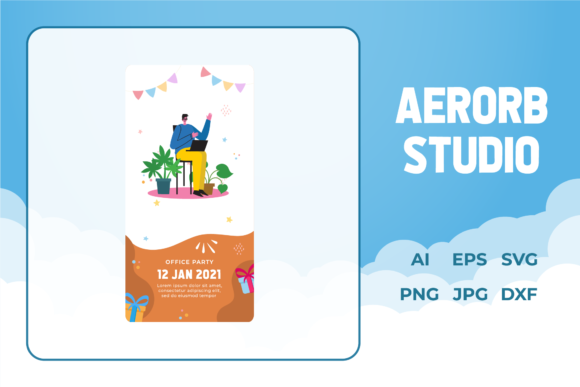
Invitation Card Design: A Graphics Freebie That Elevates Brand Communication
As a brand designer and content marketer, I often find myself evaluating graphic design assets to see how they can support the visual storytelling of a brand. Recently, I had the opportunity to review an invitation card design that comes with six versatile file formats and a generous canvas size. Here's my take on how this asset can fit into real-world marketing projects and why it might be a valuable addition to your creative toolkit.
A First Impression That Sparks Interest
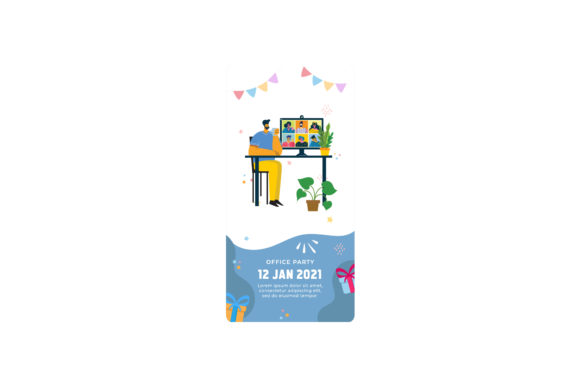
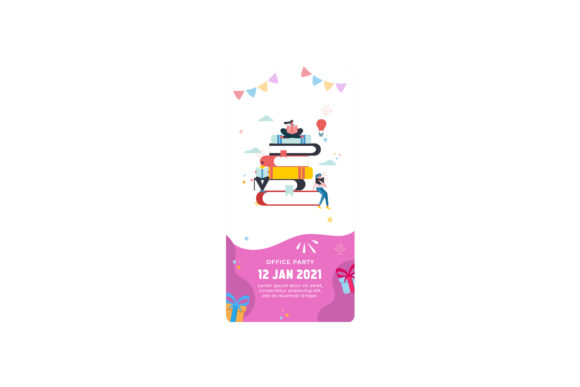
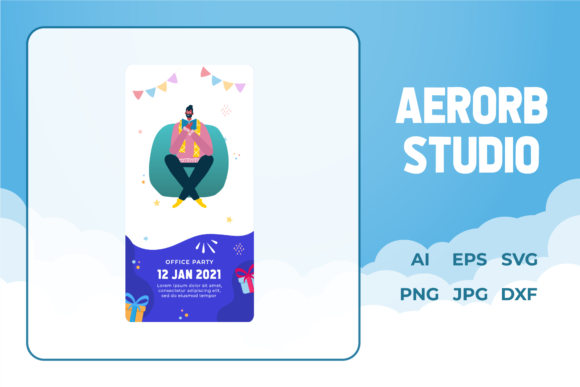
The first thing that stands out about this invitation card design is its clean, modern aesthetic. It doesn’t scream for attention but instead draws the viewer in with subtle elegance. The layout suggests a sense of warmth and approachability, making it ideal for brands that want to create a friendly yet professional impression. Whether you're promoting a seasonal sale or launching a new product, this design sets the tone for a campaign that feels intentional and inviting.
Visually, the design balances bold elements with open spaces—perfect for establishing a strong visual hierarchy. This is especially important in today’s fast-paced digital world where audiences need to grasp key messages quickly. The mood it creates is one of accessibility and charm, which could work well for lifestyle brands, event promotions, or even small business announcements.
Real-World Application in Marketing Campaigns
Let’s imagine a scenario where a small online boutique is preparing to launch a holiday collection. They need consistent visuals across social media, packaging inserts, and promotional emails. The invitation card design serves as a great starting point. Its adaptability allows it to function not only as a standalone invitation but also as a component within larger design bundles.
- Social Media Graphics: The 1920x1280 px canvas is perfect for Instagram posts, Pinterest pins, and Facebook ads. It maintains clarity at different resolutions and fits well within vertical formats.
- Editorial Design: With slight adjustments, this design can be repurposed for blog headers or website banners. Its layered structure makes it easy to integrate text overlays or call-to-action buttons without compromising the visual balance.
- Printable Promotions: Since it supports high-resolution JPG and PNG files, using it as a printable insert in packaging or for physical events is straightforward. The vector-based AI, EPS, SVG, and DXF formats ensure scalability without loss of quality.
Supporting Stronger Brand Identity and Audience Perception
One of the most compelling aspects of this graphic design asset is how it reinforces brand identity. When used consistently, it helps establish a recognizable visual language. For instance, if a brand uses a floral motif in their logo, this design can subtly echo that theme through its illustrations or background textures, creating a cohesive look across all touchpoints.
In terms of audience perception, the design communicates a sense of creativity and thoughtfulness. It's not too formal, nor does it feel overly casual, striking a balance that appeals to a broad demographic. This makes it particularly useful for lifestyle brands, handmade product lines, and event-based promotions looking to connect emotionally with their audience.
Enhancing Visual Consistency Across Platforms
Maintaining visual consistency is crucial for building trust and recognition. The invitation card design offers a structured framework that aligns well with other marketing visuals, such as product labels or web headers. By testing the design against your existing brand color palette, you can ensure it complements your overall look rather than clashing with it.
For example, when paired with a serif font for a more classic feel or a script font for added flair, the design becomes part of a unified creative design system. It’s also worth noting how it interacts with sans serif and display fonts, as these are commonly used in digital campaigns and editorial layouts.
Performance in Professional Branding Contexts
This asset shines in scenarios where a professional branding presence is desired but a polished, not rigid, look is needed. It works exceptionally well in:
- Hero graphics for landing pages
- Campaign headers for newsletters or email banners
- Branded templates for Canva or other design tools
- Promotional banners for e-commerce stores
- Decorative brand elements for merchandise or stickers
Its flexibility makes it a solid choice for both digital product creators and content marketers who rely on quick turnaround times and high-quality outputs. You can easily edit layers, adjust colors, and customize copy to match your messaging strategy—all while keeping the core design intact.
Limits and Considerations for Use
While the invitation card design is undeniably appealing, there are some limitations to consider. If your brand leans heavily into minimalism or requires a very formal corporate look, this design may introduce an element of playfulness that doesn't align with your tone. Similarly, in dense information layouts or text-heavy ads, the design could risk overshadowing the main message.
Another area to be cautious is mobile optimization. Although the canvas size is generous, you should preview how the design appears on smaller screens. Text readability and image focus can shift dramatically depending on the device, so always test it in context before finalizing any digital campaign.
Practical Tips for Creative Entrepreneurs
If you’re considering adding this graphic design asset to your workflow, here are a few practical tips:
- Test it with your brand colors: Open the AI or EPS file and swap out hues to see how it adapts to your palette.
- Check black and white versions: Some platforms display images in grayscale, so make sure the design remains legible and impactful without color.
- Use it in campaign mockups: Place the design into real-world use cases like a Canva template or a social media cover to gauge its performance.
- Compare with competitor visuals: Ensure your design stands out while maintaining a professional edge.
- Review spacing and balance: Especially important for print and web, since misalignment can reduce perceived quality.
- Confirm commercial licensing: Before using it in paid campaigns or client work, verify whether it supports commercial usage.
Why This Is a Must-Have for Content Creators
Content creators and small business owners will appreciate the ease of use and adaptability of this invitation card design. It eliminates the need to start from scratch for each project and ensures a level of polish that’s hard to achieve manually. As part of a freebies package, it offers excellent value without requiring significant investment.
What’s more, the availability of multiple file types means you can use it across a wide range of applications—from SVG designs for scalable web elements to PNG designs for crisp print materials. This versatility is rare in free assets and speaks to the quality of the original creative design.
Final Thoughts on Invitation Card Design
In conclusion, the invitation card design is more than just a single-use asset—it’s a foundation for building engaging and consistent brand communication. When integrated thoughtfully into your content marketing efforts, it can help enhance your audience trust, improve engagement, and leave a lasting impression.
However, as with any design asset, it’s essential to understand its strengths and limitations. Used wisely, it can become a staple in your design assets library. But used carelessly, it risks becoming just another generic graphic in a sea of clipart and stock images.
If you’re looking for a reliable, flexible, and aesthetically pleasing graphics option for upcoming campaigns, I recommend giving this invitation card design a closer look. It’s a true gem in the creative marketplace, especially for those who value speed, quality, and brand alignment in their visual content creation process.